

In sheet-based woodworking, CNC machining is only one part of the production cycle. Material must first be staged, loaded and correctly positioned. After machining, finished components must be identified, removed and prepared for downstream operations.
If these steps depend on disconnected manual processes, even a productive CNC router may spend valuable time waiting between jobs.
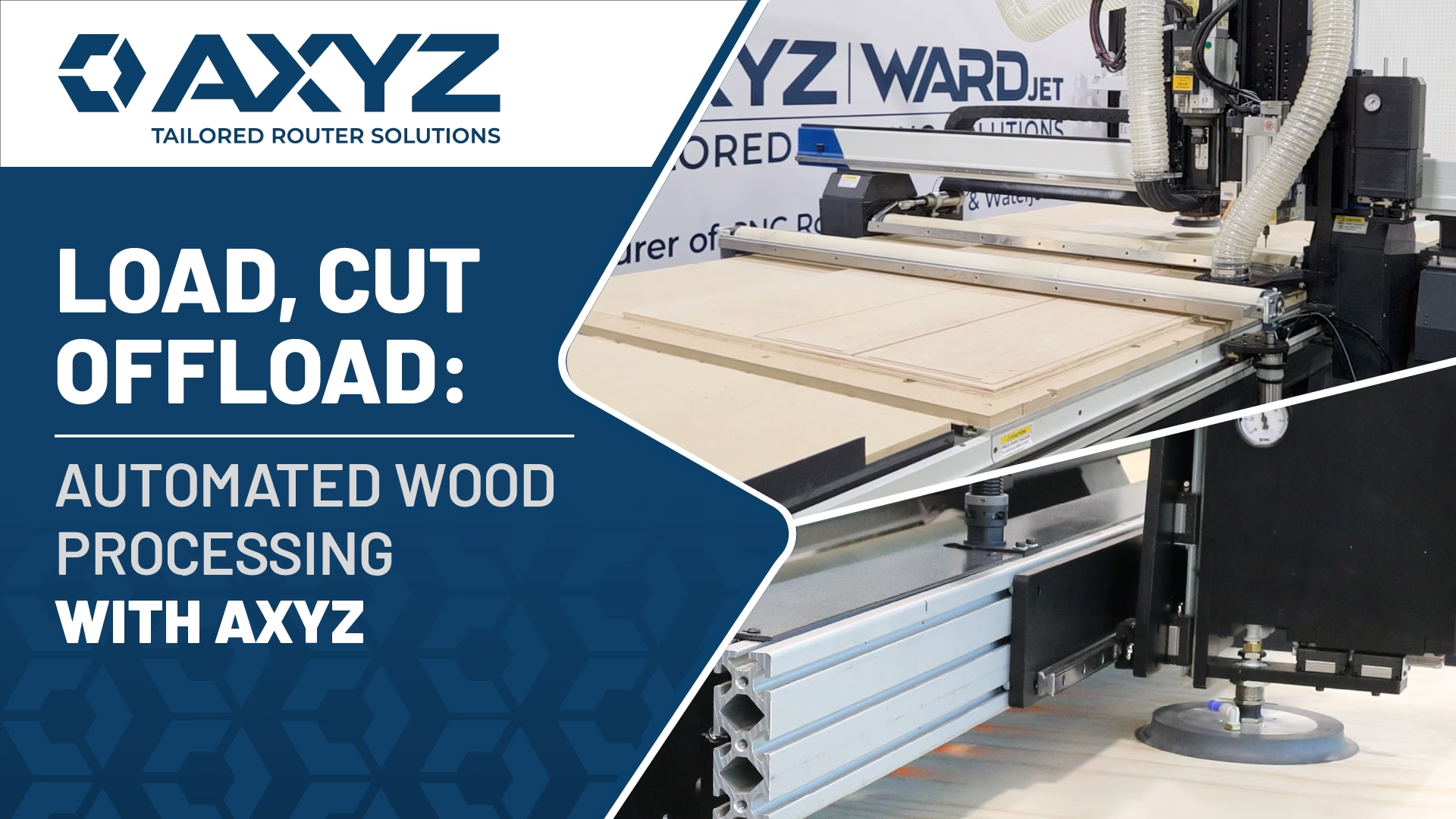
The AXYZ WOODWORKER and LOADLINE EDGE address this challenge by connecting material handling, sheet alignment, part labeling, machining and offloading in one coordinated workflow.
What Is AXYZ LOADLINE EDGE?
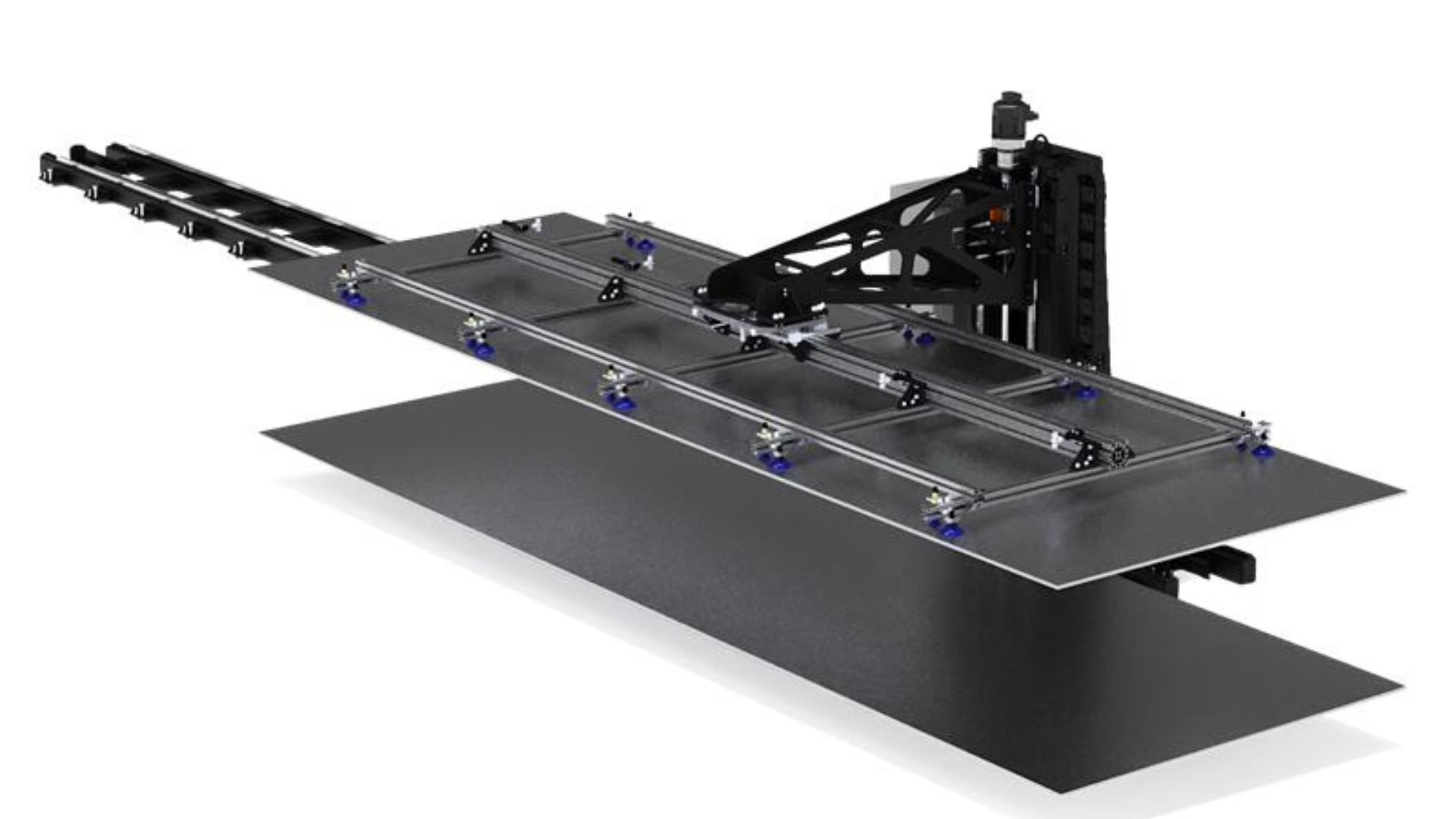
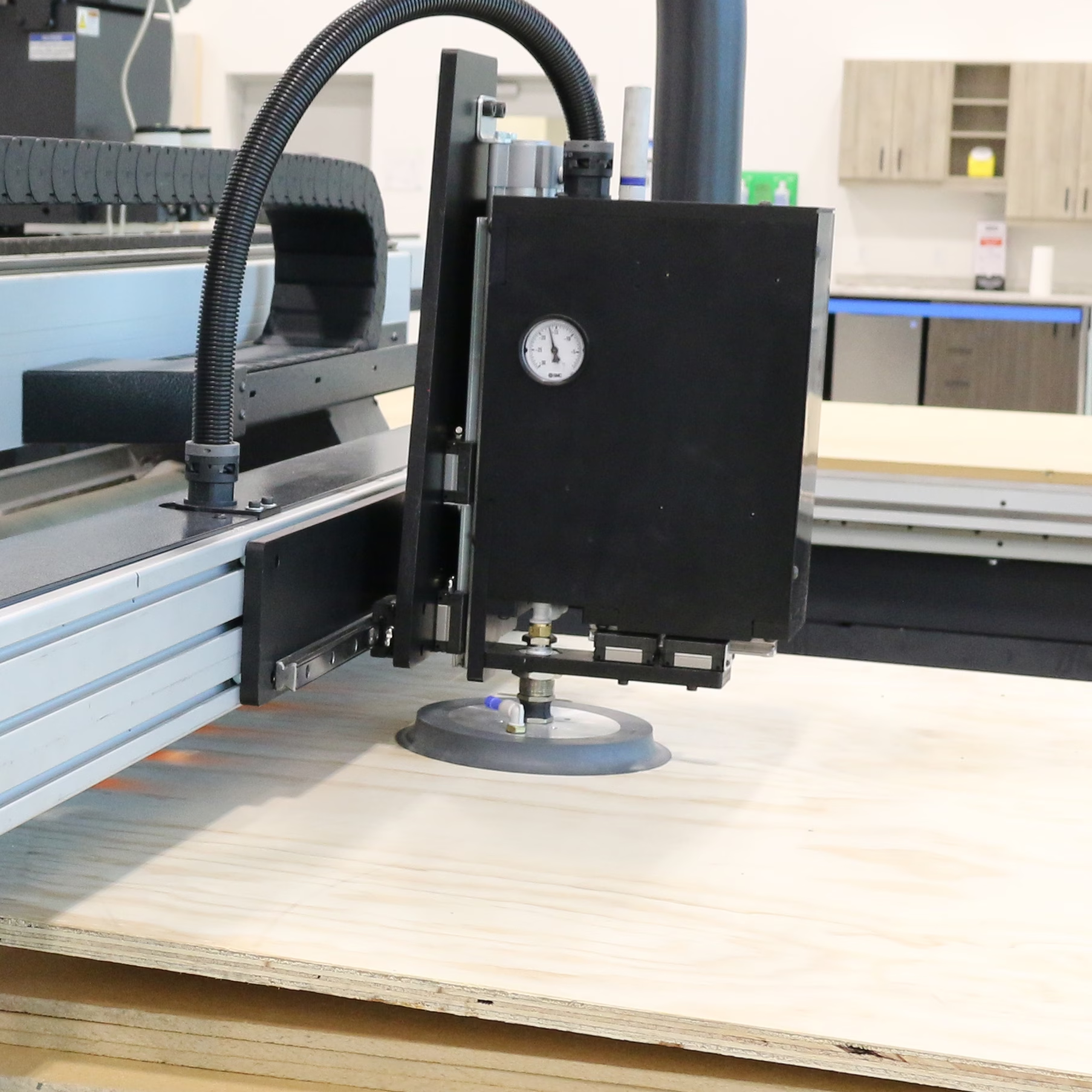
AXYZ LOADLINE EDGE is an inline automatic loading and offloading system for compatible AXYZ CNC routers. It uses vacuum suction to lift sheet material from a scissor-lift platform and transfer it to the CNC router’s cutting bed.
After loading the material, LOADLINE EDGE aligns the sheet along the X and Y axes against the machine’s pop-up location pins. When machining is complete, the system offloads the finished work while introducing the next sheet.
This coordinated movement helps reduce manual material handling and minimize the delay between CNC machining cycles.
What Is the AXYZ WOODWORKER?
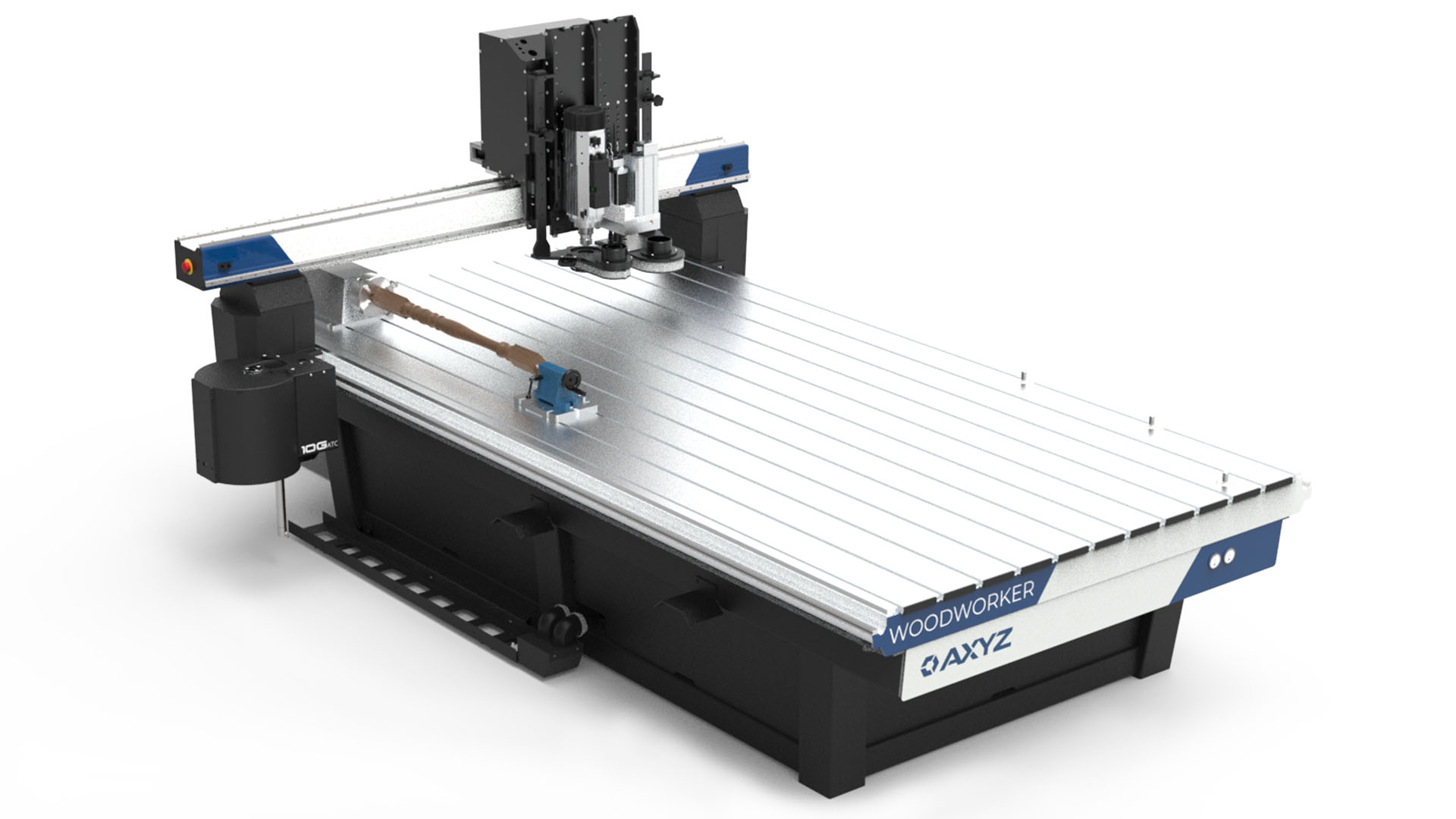
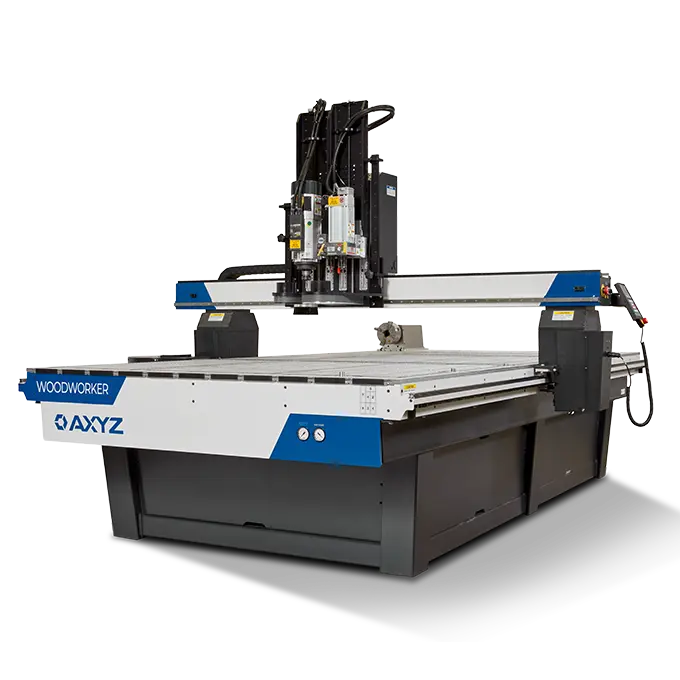
The AXYZ WOODWORKER is a production-focused CNC router designed for woodworking and wood-based sheet processing.
The system combines CNC machining with automated part labeling, roller hold-down and integrated dust extraction. These capabilities support the workflow from full-sheet material to machined, identifiable components ready for downstream operations.
The precise configuration can be adapted to the materials, applications and production requirements of the operation.
How Does the Automated CNC Workflow Operate?
The production process can be divided into five connected stages.
1. Automatic sheet loading
Sheets are staged on a scissor-lift platform beside the CNC router. LOADLINE EDGE uses vacuum suction to pick up the top sheet and transfer it directly onto the WOODWORKER cutting bed.
Automating this movement reduces the need for operators to repeatedly lift and place full sheets by hand.
2. X- and Y-axis alignment
Loading material onto the cutting table is not enough; the sheet must also be positioned correctly before machining begins.
LOADLINE EDGE aligns the material along the X and Y axes against pop-up location pins. This establishes the sheet’s position and prepares it for processing by the WOODWORKER.
By including alignment in the automated loading process, the system creates a more consistent transition between material staging and CNC machining.
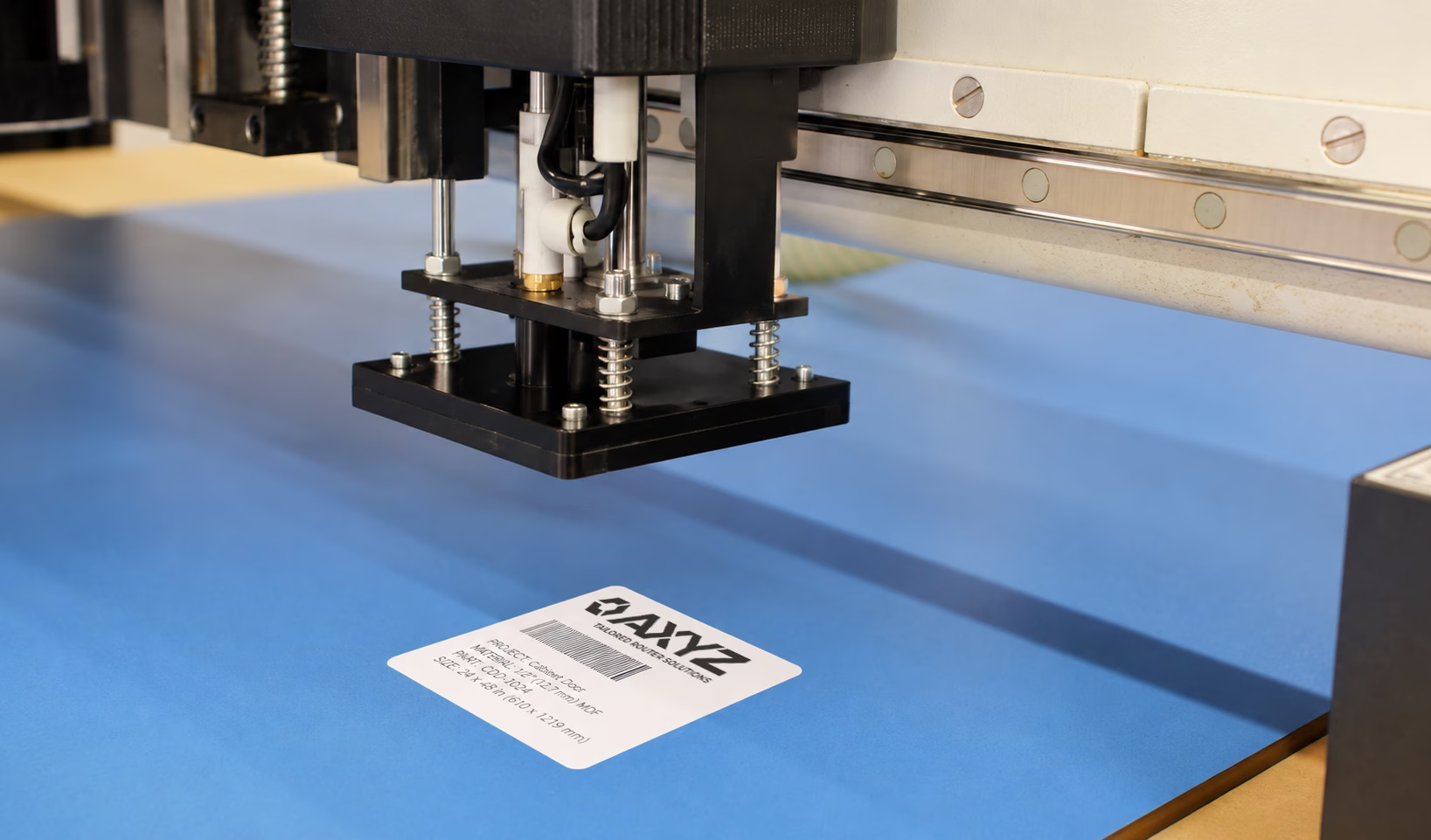
3. Automated part labeling
A nested sheet may contain numerous components, including parts that look similar or belong to different assemblies. Identifying those parts after machining can become a separate production challenge.
The automated labeling system shown in the WOODWORKER configuration applies identifying information to individual components. This can help production teams sort and organize parts for downstream assembly.
Integrating labeling into the CNC workflow means part identification does not have to begin after the sheet leaves the cutting table.
4. CNC machining and material control
Once the sheet is positioned, the WOODWORKER machines the required components.
Not every sheet behaves in the same way during cutting. Warped or porous materials may not develop enough vacuum force to remain securely positioned using vacuum hold-down alone.
For these applications, the demonstrated roller hold-down applies pressure to help keep the material in place while machining continues. The appropriate hold-down method should always be selected according to the material and application.
Integrated dust extraction also helps manage chips and debris at the cutting point, supporting a cleaner machining process throughout the job.
5. Simultaneous offloading and loading
Once machining is complete, LOADLINE EDGE offloads the finished work while loading the next sheet.
Because these actions occur simultaneously, completed material can move away from the cutting area as the next production cycle is prepared. This reduces the time spent completing separate loading and offloading steps between jobs.
The result is a more continuous path from staged sheet material to machined parts.
What Are the Benefits of Connecting Material Handling and CNC Machining?
The main advantage is workflow integration. Rather than treating each activity as an isolated task, LOADLINE EDGE and the WOODWORKER connect the stages surrounding the cutting cycle.
Potential operational benefits include:
- Reduced manual handling of full sheets
- Automated sheet transfer and alignment
- Easier identification of nested components
- Additional material control for warped or porous sheets
- Dust extraction at the cutting point
- Automatic removal of finished work
- Less delay between consecutive machining cycles
The system does more than automate the movement of material. It helps coordinate what happens before, during and after machining.
Why Does Automated Loading and Offloading Matter?
Automated loading and offloading matter because cutting speed alone does not determine total production efficiency.
A router may complete its programmed machining quickly, but production can still be interrupted if operators must manually remove the finished sheet, retrieve the next one and align it on the cutting bed.
LOADLINE EDGE addresses these steps as part of the production cycle. By offloading completed work while loading the next sheet, it helps keep material moving through the CNC cell and allows the WOODWORKER to begin the next job sooner.
Frequently Asked Questions
Does LOADLINE EDGE both load and offload material?
Yes. LOADLINE EDGE is designed to automatically transfer sheet material to the cutting bed and offload finished work after machining.
Does the system align the sheet automatically?
Yes. In the demonstrated workflow, LOADLINE EDGE aligns the sheet along the X and Y axes against the machine’s pop-up location pins.
Can the WOODWORKER label individual parts?
The WOODWORKER configuration includes an automated labeling system that applies identifying information to individual components.
How are warped or porous sheets held during machining?
The roller hold-down to help secure sheets when vacuum hold-down alone may not be sufficient.
Can loading and offloading happen at the same time?
Yes. After machining, LOADLINE EDGE can offload the completed work while loading the next sheet, helping reduce the delay between production cycles.
Create a More Connected Woodworking Workflow
Efficient CNC production depends on more than the machining operation. Material staging, loading, alignment, labeling, hold-down, dust management and offloading all influence how smoothly work moves through the facility.
LOADLINE EDGE automates material movement before and after cutting, while the AXYZ WOODWORKER performs the labeling and machining operations in between.
Together, they create a connected workflow designed to reduce manual handling, organize finished components and keep sheet-based production moving.
Explore AXYZ LOADLINE EDGE and the AXYZ WOODWORKER, or contact AXYZ to discuss your materials, applications and production requirements.