


Introduction
In today’s competitive manufacturing landscape, woodworking & panel processing have evolved far beyond traditional shop-floor practices. Increasing demand for precision, speed, and scalability has made automation a critical component of success.
Manufacturers producing cabinetry, modular housing components, and custom wood products are under constant pressure to deliver high-quality output—faster and more efficiently than ever before. Fully integrated CNC systems are now redefining how woodworking operations perform, enabling businesses to streamline workflows and maintain consistent results at scale.
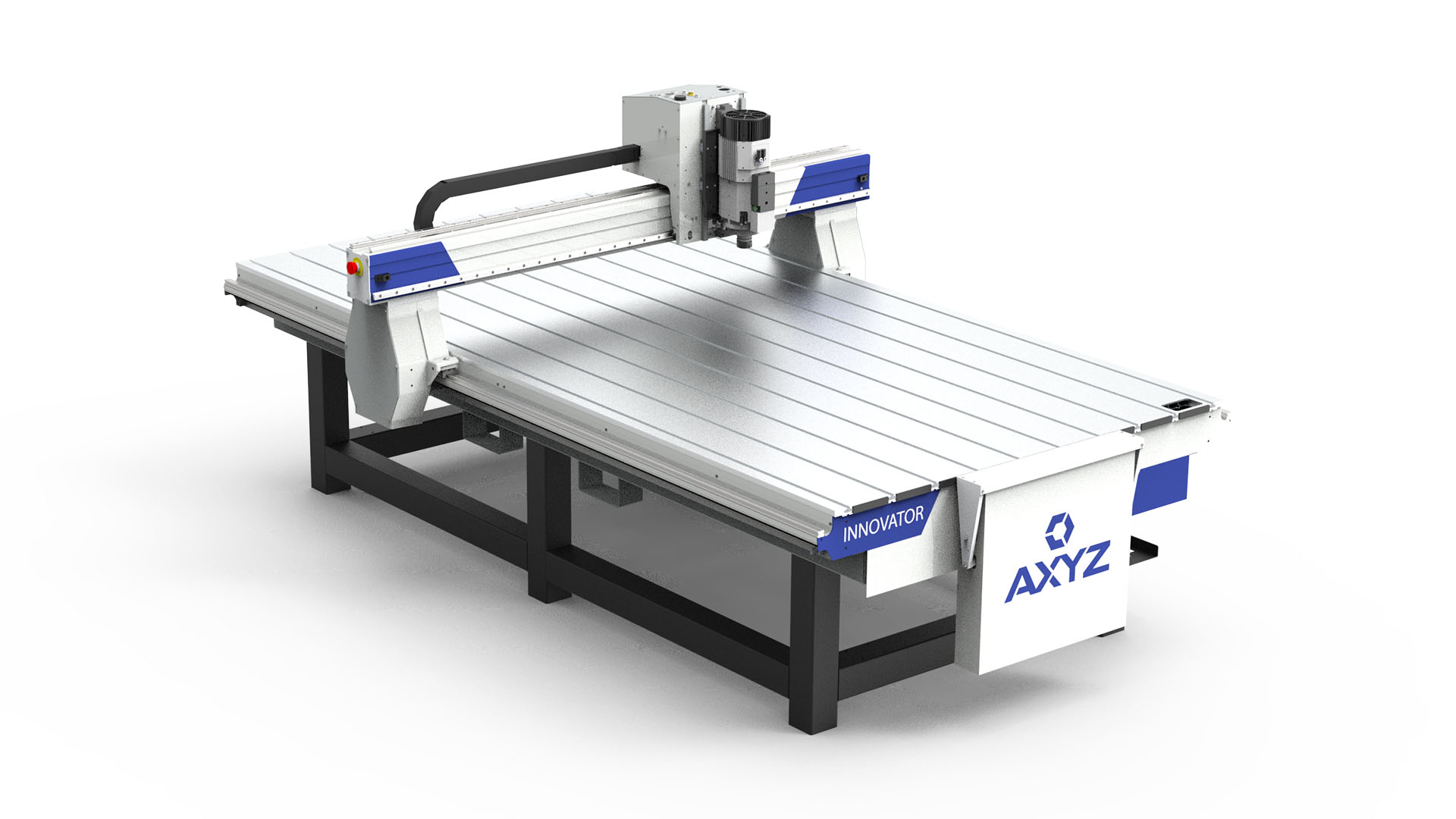
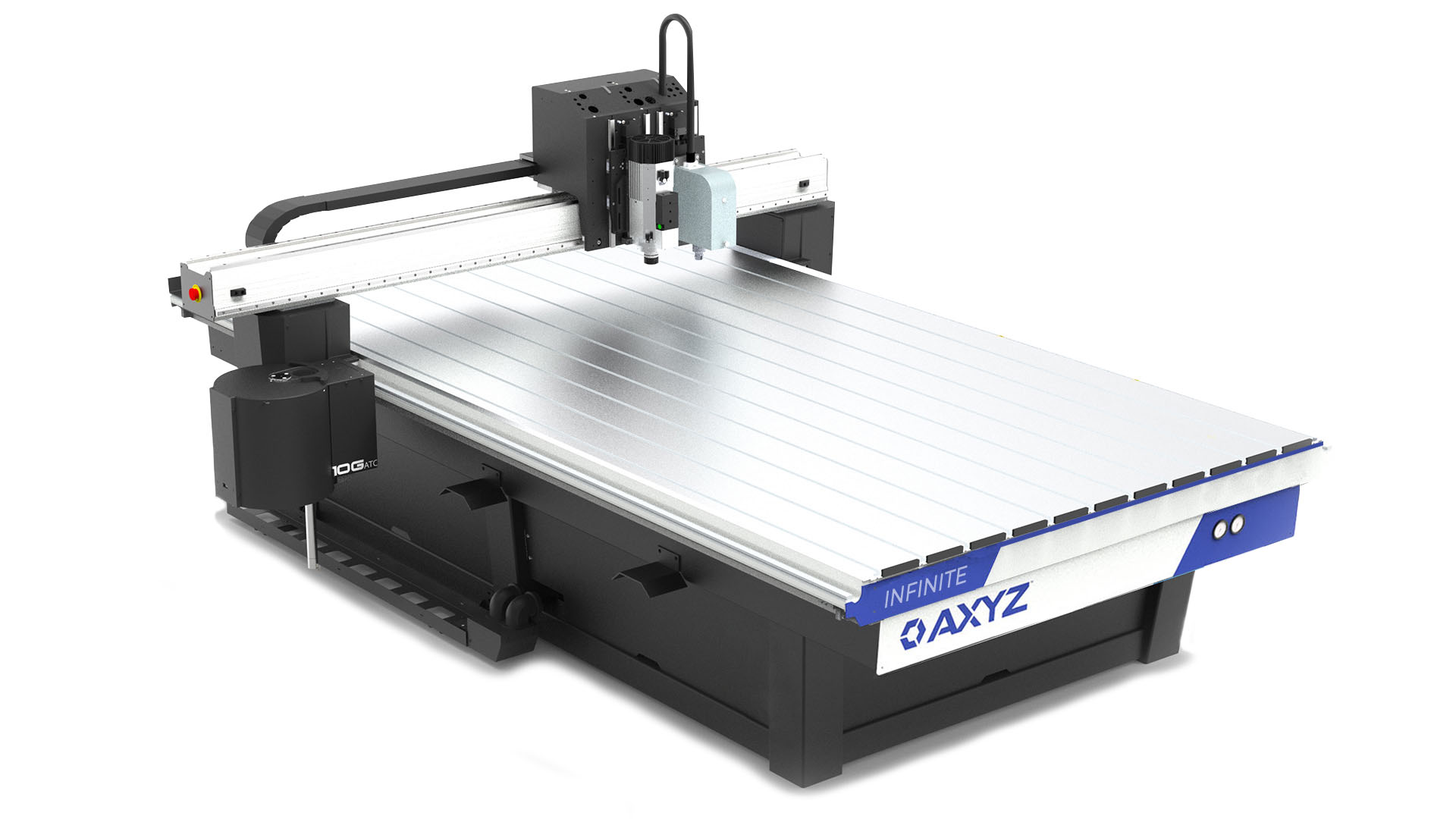
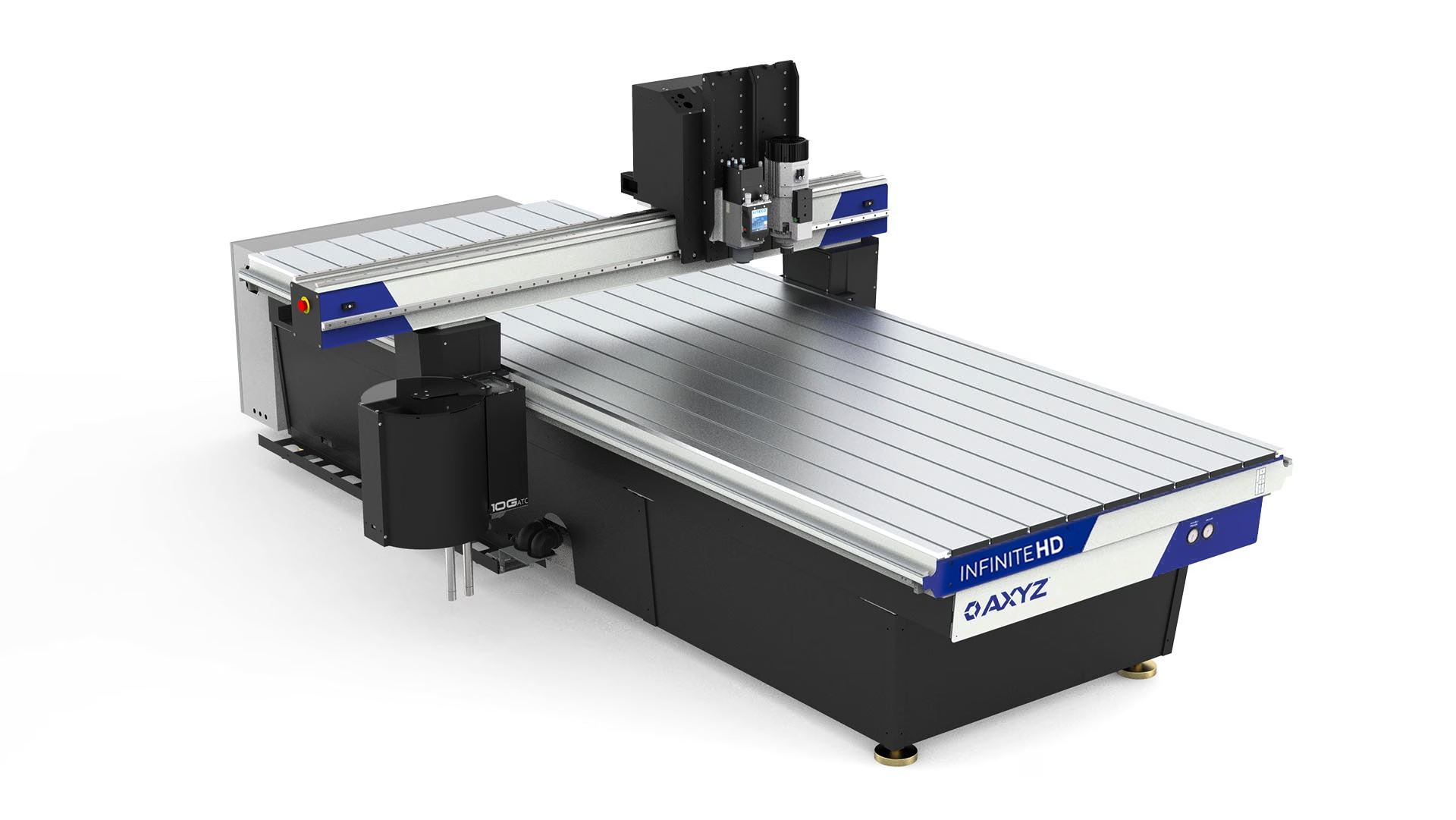
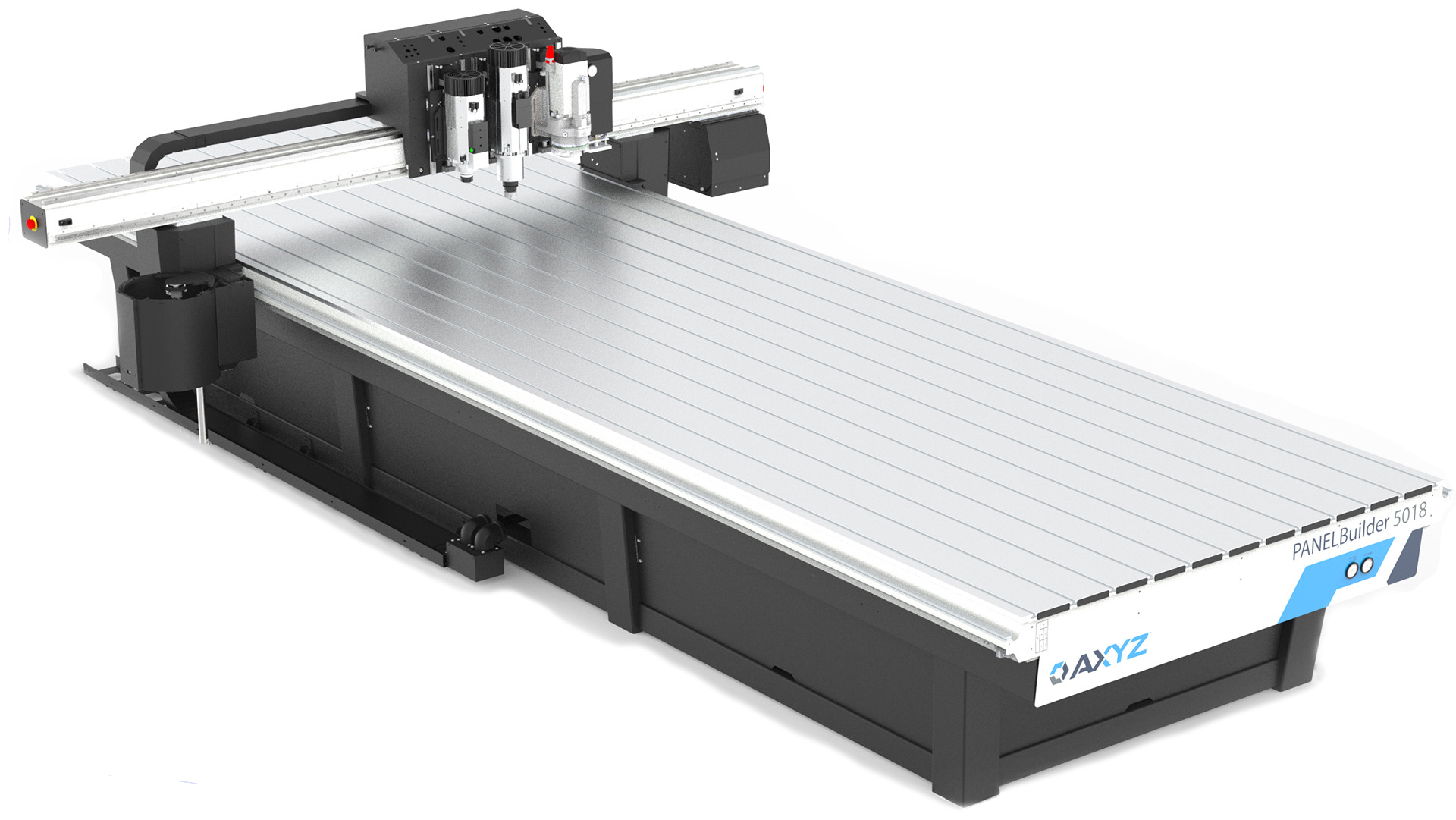
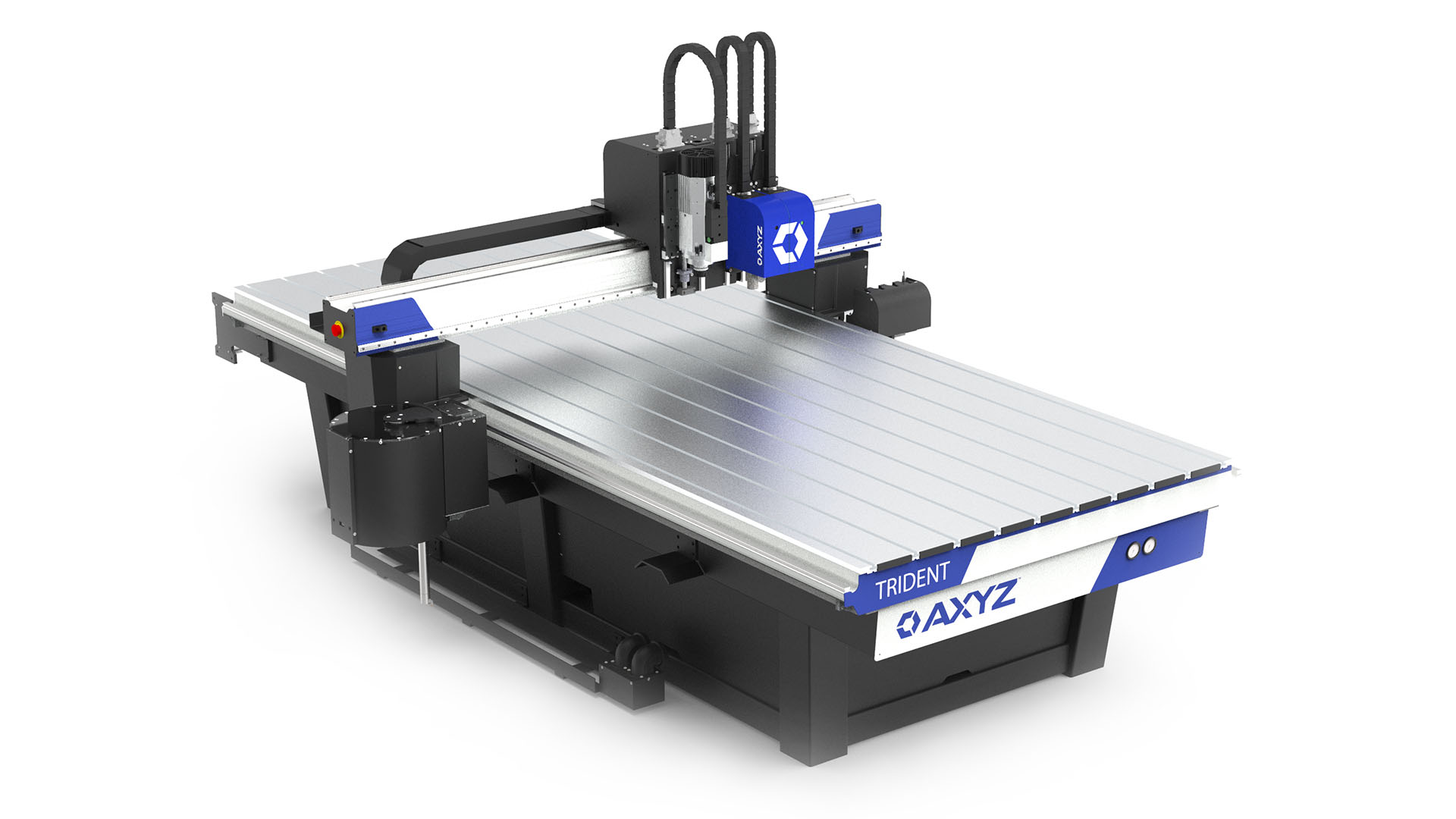
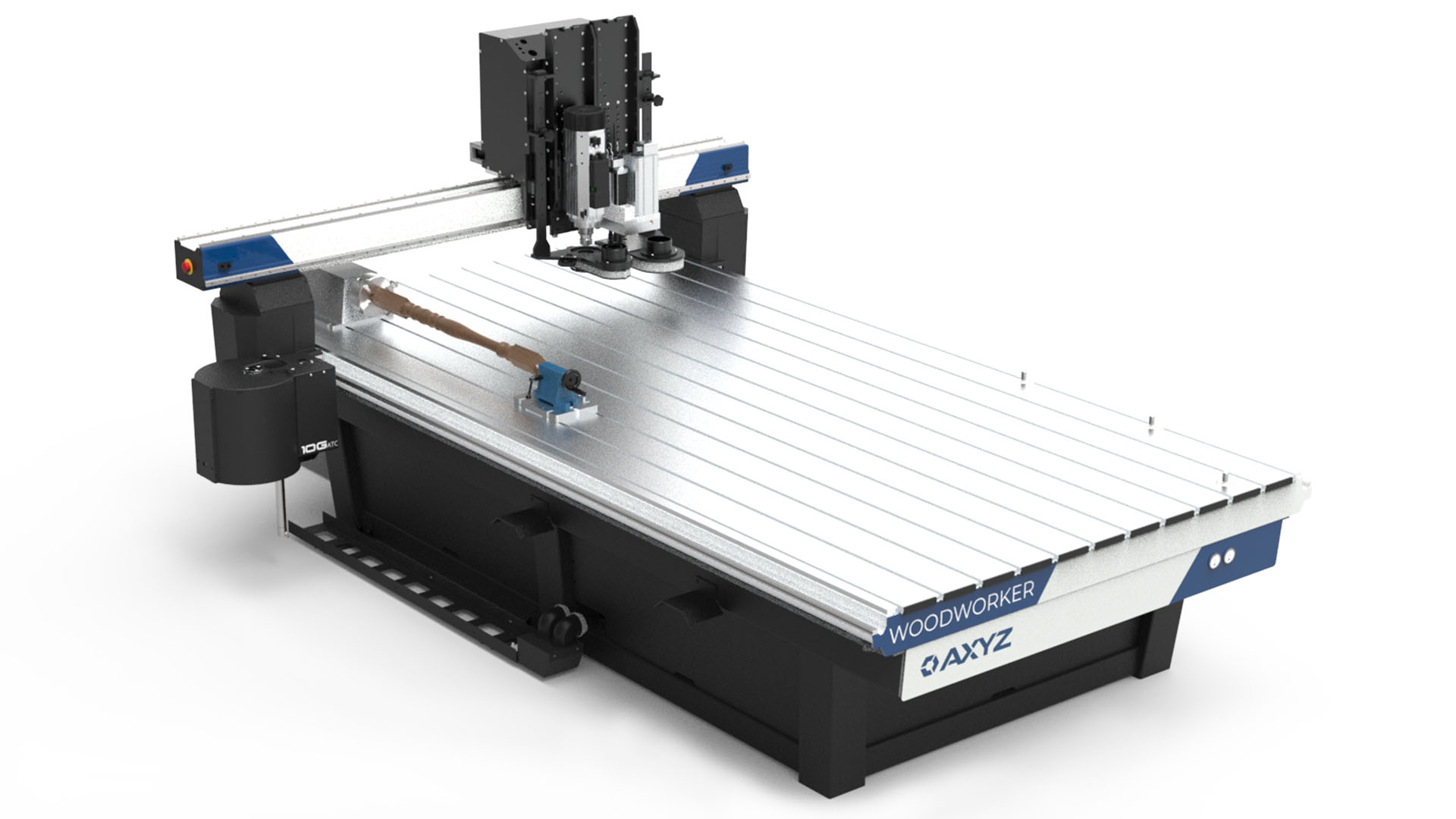
At the forefront of this transformation is advanced CNC technology like the AXYZ Woodworker platform, engineered to integrate seamlessly into automated production environments. These solutions represent a smarter, more connected approach to woodworking & panel processing.
What Is Modern Woodworking & Panel Processing?
Woodworking & panel processing refers to the cutting, shaping, and machining of sheet-based materials such as plywood, MDF, and laminated panels. These processes are foundational across industries including:
- Cabinet manufacturing
- Modular construction
- Architectural millwork
- Custom furniture production
Traditional panel processing often involves multiple machines, manual material handling, and repeated setup adjustments. This fragmented workflow leads to inefficiencies, inconsistencies, and increased labor costs.
Modern systems eliminate these challenges by integrating every stage of production into a single automated workflow—delivering higher throughput and repeatable precision.
The Shift Toward Automated CNC Panel Processing
Automation has become a defining factor in successful woodworking operations. A fully integrated CNC system consolidates loading, machining, labeling, and offloading into one continuous process.
Key Advantages of Automation
- Reduced downtime through synchronized operations
- Improved accuracy with automated alignment systems
- Lower labor dependency through reduced manual handling
- Higher throughput with continuous production cycles
For manufacturers focused on growth, automation is no longer optional—it’s essential.
Inside an Advanced Woodworking & Panel Processing System
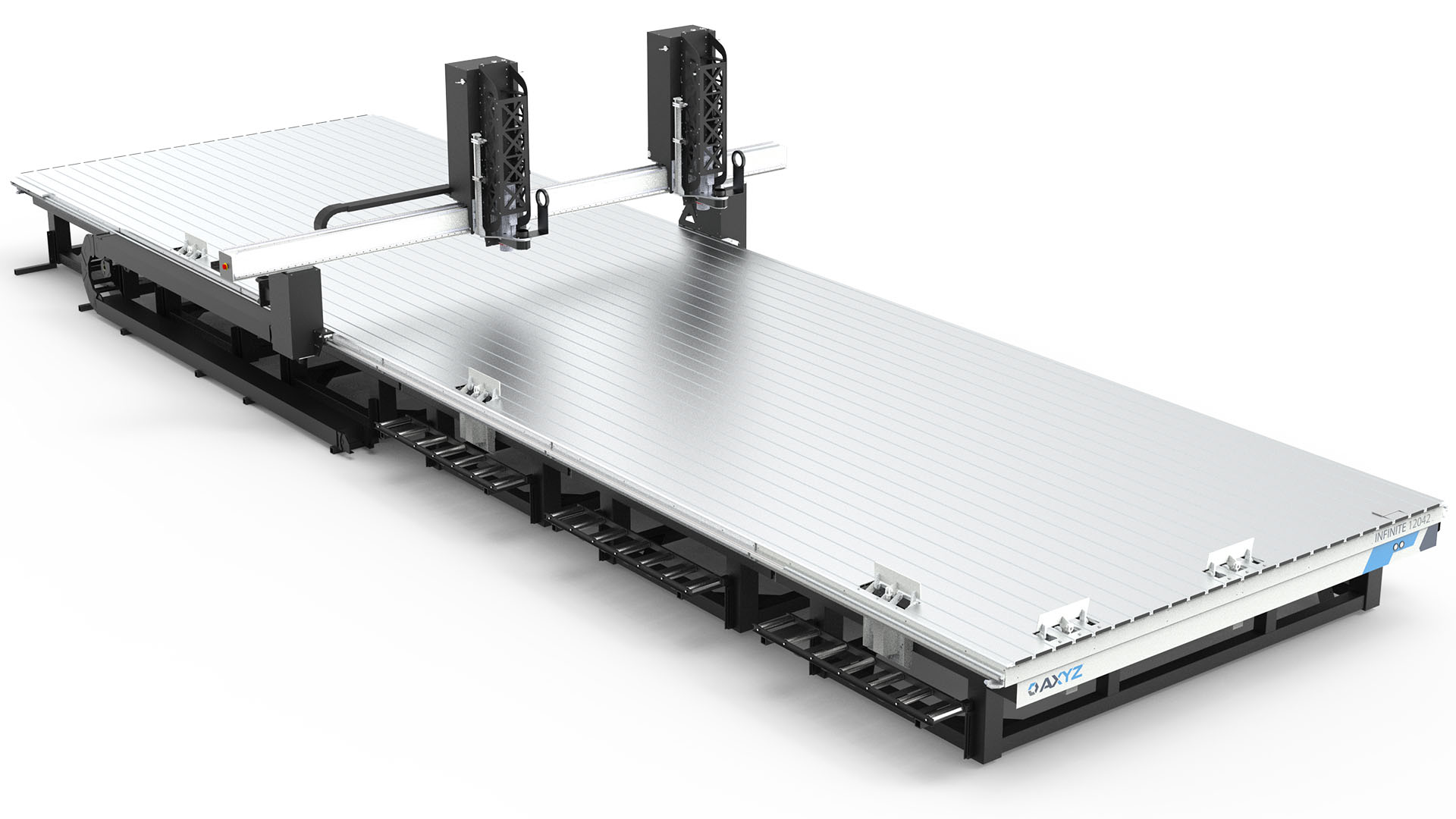
A modern woodworking & panel processing solution is built around more than just a CNC router. It’s an integrated production cell designed for efficiency, consistency, and scalability.
Core Components
Integrated Labeling System
Automated labeling ensures traceability and accuracy throughout downstream processes such as assembly and packaging.

Roller Hold-Down Technology
Unlike vacuum-based systems, roller hold-down applies significant downward pressure to maintain material stability, ensuring clean and precise cuts.

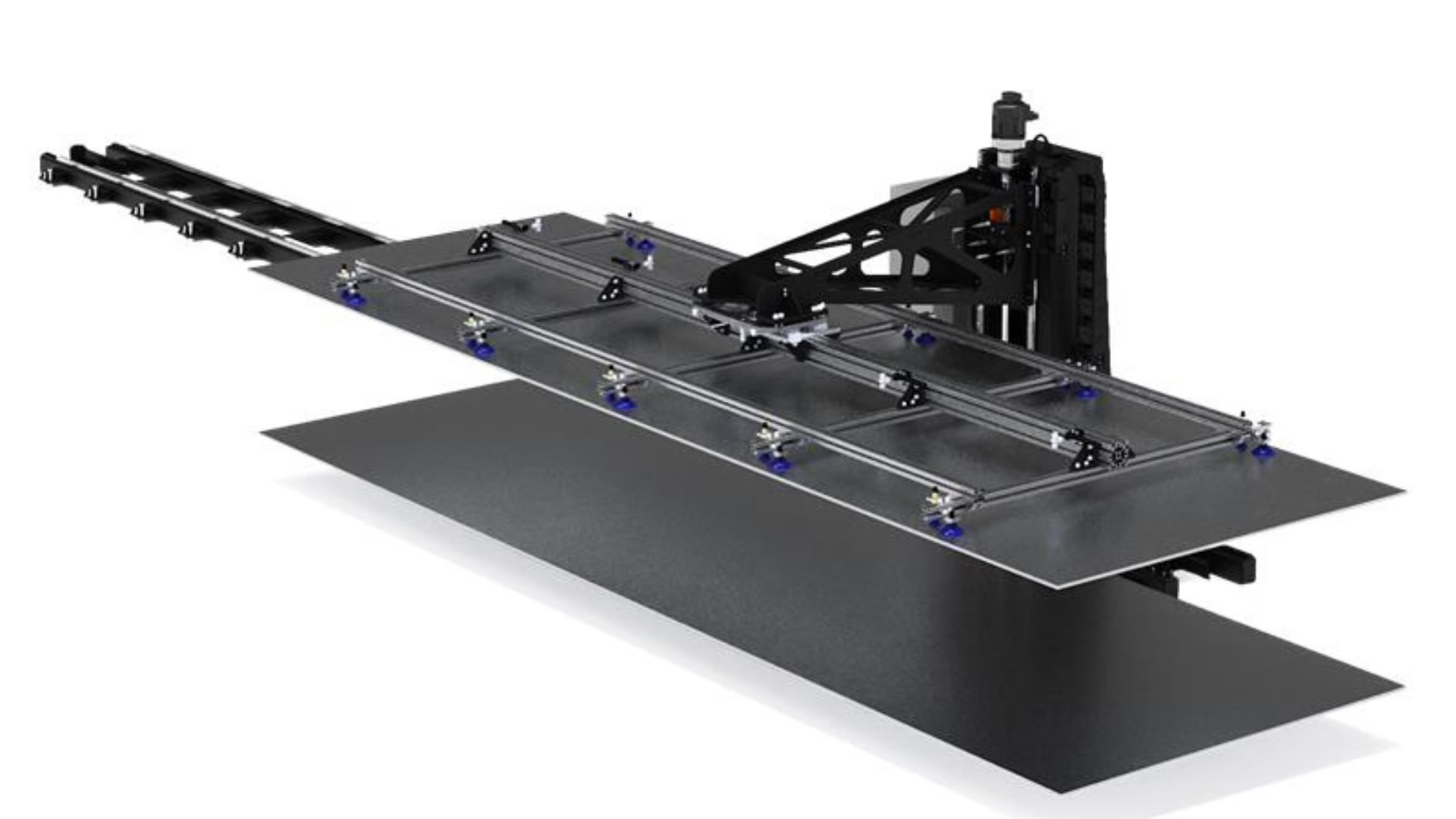
Automated Load & Offload Systems
Material handling systems streamline sheet transfer, reducing manual labor and improving cycle consistency.

Intelligent Material Positioning
Sensors and alignment features ensure precise placement of each panel, minimizing errors before machining begins.

Together, these components create a seamless workflow that maximizes productivity while maintaining strict quality standards.
Why Material Stability Matters in Panel Processing
In woodworking & panel processing, even minor material movement can compromise cut quality. This is especially critical when working with nested parts or intricate geometries.
Advanced systems address this challenge through:
- Precision alignment mechanisms
- Consistent hold-down pressure
- Automated handling to prevent misalignment
The result is a stable machining environment that delivers reliable, repeatable results—regardless of production volume.
The CNC Workflow: From Raw Panel to Finished Product
A fully automated woodworking & panel processing system follows a synchronized workflow designed for continuous production.
1. Automated Material Loading
Panels are positioned on a lift system that adjusts automatically to align with the CNC bed.
2. Precision Sheet Transfer
Automated handling systems move panels into position with exact placement accuracy.
3. Alignment & Identification
Panels are aligned using precision guides and labeled for tracking throughout production.
4. CNC Machining
The CNC router executes programmed cuts, handling everything from basic panel sizing to complex nested patterns.
5. Stabilization During Cutting
Hold-down systems ensure materials remain secure, eliminating vibration or movement.
6. Automated Offloading
Finished components are transferred off the machine, allowing the next cycle to begin immediately.
This continuous workflow minimizes interruptions and maximizes output efficiency.
Benefits of Integrated Woodworking & Panel Processing Systems
Consistent Quality
Automation ensures every panel meets the same precision standards, eliminating variability caused by manual processes.
Increased Productivity
Simultaneous operations reduce idle time and optimize machine utilization.
Reduced Operational Costs
Lower labor requirements and minimized material waste contribute to improved profitability.
Enhanced Workplace Safety
Automation reduces manual handling, lowering the risk of workplace injuries.
Scalable Production
Integrated systems can handle increased demand without requiring significant workflow changes.
Applications Across Industries
Cabinet Manufacturing
Precision and repeatability are critical. Automated systems ensure consistent panel dimensions and clean finishes.
Modular Construction
High-volume production demands efficiency. Integrated systems enable faster turnaround times without compromising quality.
Custom Woodworking
Flexibility is essential. CNC automation allows for complex designs while maintaining production efficiency.
Why CNC Automation Is the Future of Woodworking
The future of woodworking & panel processing is driven by automation, data integration, and smart manufacturing technologies.
Companies investing in CNC automation gain a significant competitive advantage through:
- Faster production cycles
- Greater operational efficiency
- Higher product quality
- Reduced waste and rework
As customer expectations continue to rise, manufacturers must adopt advanced solutions to remain competitive in a rapidly evolving market.
Conclusion
Woodworking & panel processing have entered a new era—one defined by automation, precision, and efficiency. Fully integrated CNC systems are transforming how manufacturers operate, enabling them to meet increasing demand without sacrificing quality.
By embracing advanced panel processing technologies, businesses can streamline workflows, reduce costs, and position themselves for long-term success.
The question is no longer whether to automate—but how quickly you can implement the right solution.

