

Precision, Craftsmanship, and CNC: How Traditional Hardwood Flooring Elevated Their Capabilities with the AXYZ WOODWORKER
For more than 20 years, Traditional Hardwood Flooring has built its business around a straightforward principle: the quality of the finished work matters more than the number of projects completed.
Owner Balazs started his career working directly with hardwood floors, learning the practical details of finishing and installation. That hands-on experience shaped how the company approaches its work today, from custom residential flooring to commercial projects.
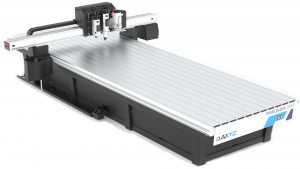
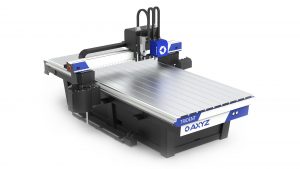
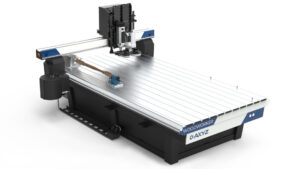
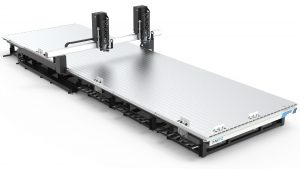
As customer requirements became more varied, the business needed a way to produce specialized flooring components without depending entirely on outside suppliers. Bringing an AXYZ CNC router into the workshop gave the team another way to handle demanding installations while keeping craftsmanship at the centre of its work.
A Flooring Business Built on Attention to Detail
Traditional Hardwood Flooring’s approach began long before CNC technology entered the workshop.
Balazs spent his early years working with tools, finishing floors, and learning how materials behave during installation. That experience helped him understand the small details that influence the appearance and fit of a completed floor.
Rather than concentrating on winning as many projects as possible, the company developed its reputation by serving customers who valued careful workmanship.
The same approach applies across different project sizes and budgets. Whether the job involves residential flooring or a commercial installation, the objective is to deliver work that meets the customer’s expectations.
For a flooring contractor, that attention to detail becomes particularly important when a project includes unusual dimensions, decorative patterns, curved sections, or components that cannot be purchased ready-made.
These situations require more than standard installation techniques. They often involve producing individual pieces that must fit accurately into an existing design.
Why Traditional Hardwood Flooring Introduced CNC Routing
As the business developed, Balazs wanted greater flexibility in how the workshop handled custom requirements.
Some flooring projects need components that are difficult to produce using conventional methods alone. A curved nosing, for example, must follow the intended shape while fitting properly against the surrounding flooring.
Other projects may involve custom rails, electrical floor covers, or patterns that meet walls and architectural features at unusual angles.
When these parts are outsourced, the installation team must coordinate with another workshop. If a component needs adjustment after measurements are checked on-site, additional communication and production time may be required.
Traditional Hardwood Flooring wanted more direct control over that process.
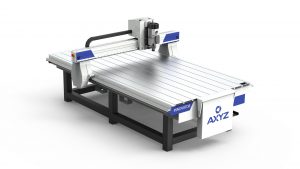
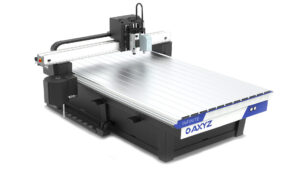
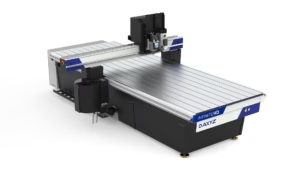
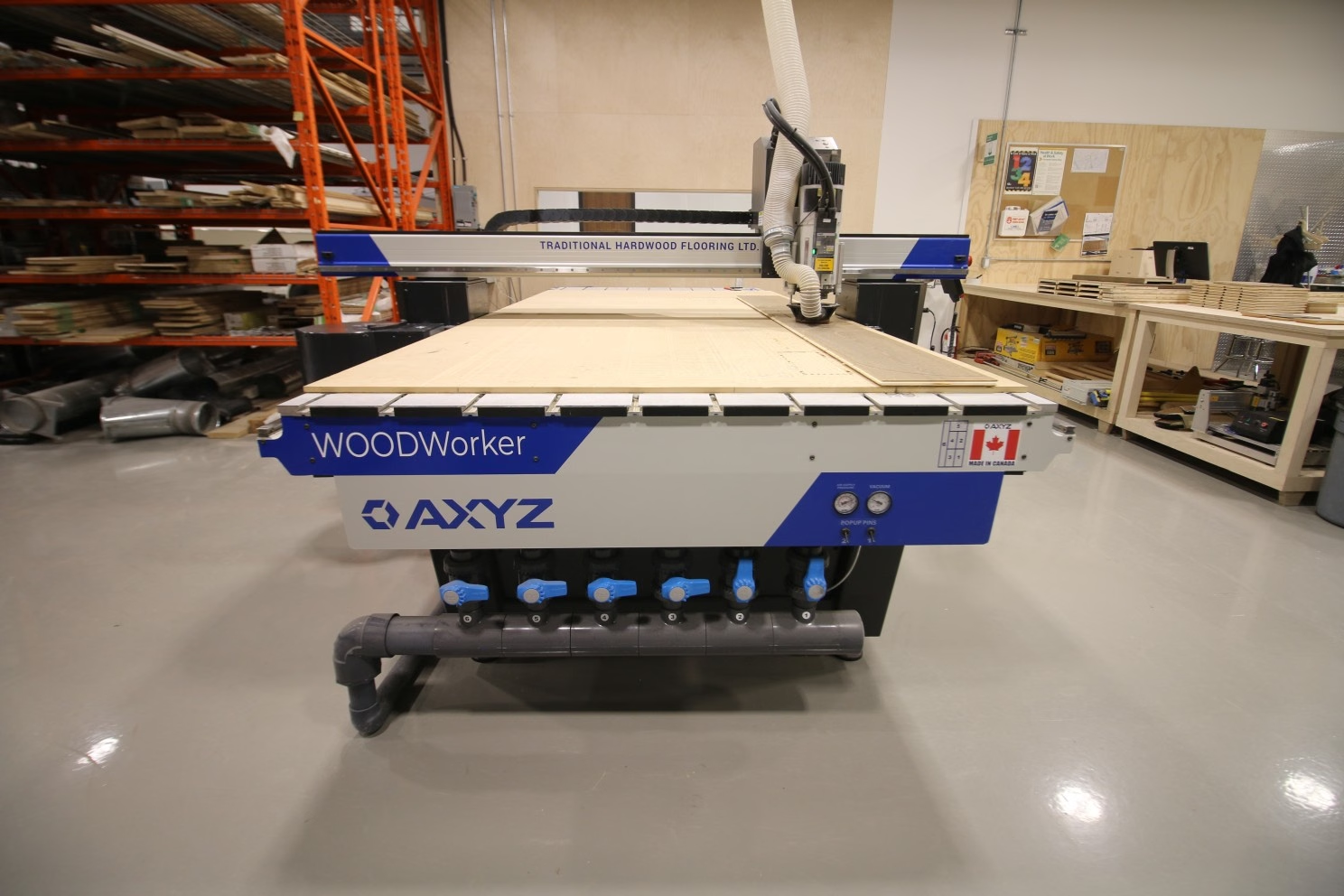
An AXYZ CNC router provided the business with the ability to manufacture and modify suitable custom components within its own operation.
For Balazs, the decision was not about replacing traditional woodworking skills. It was about giving experienced craftspeople another tool to execute designs that require careful preparation and repeatable machining.
Creating Custom Flooring Components In-House
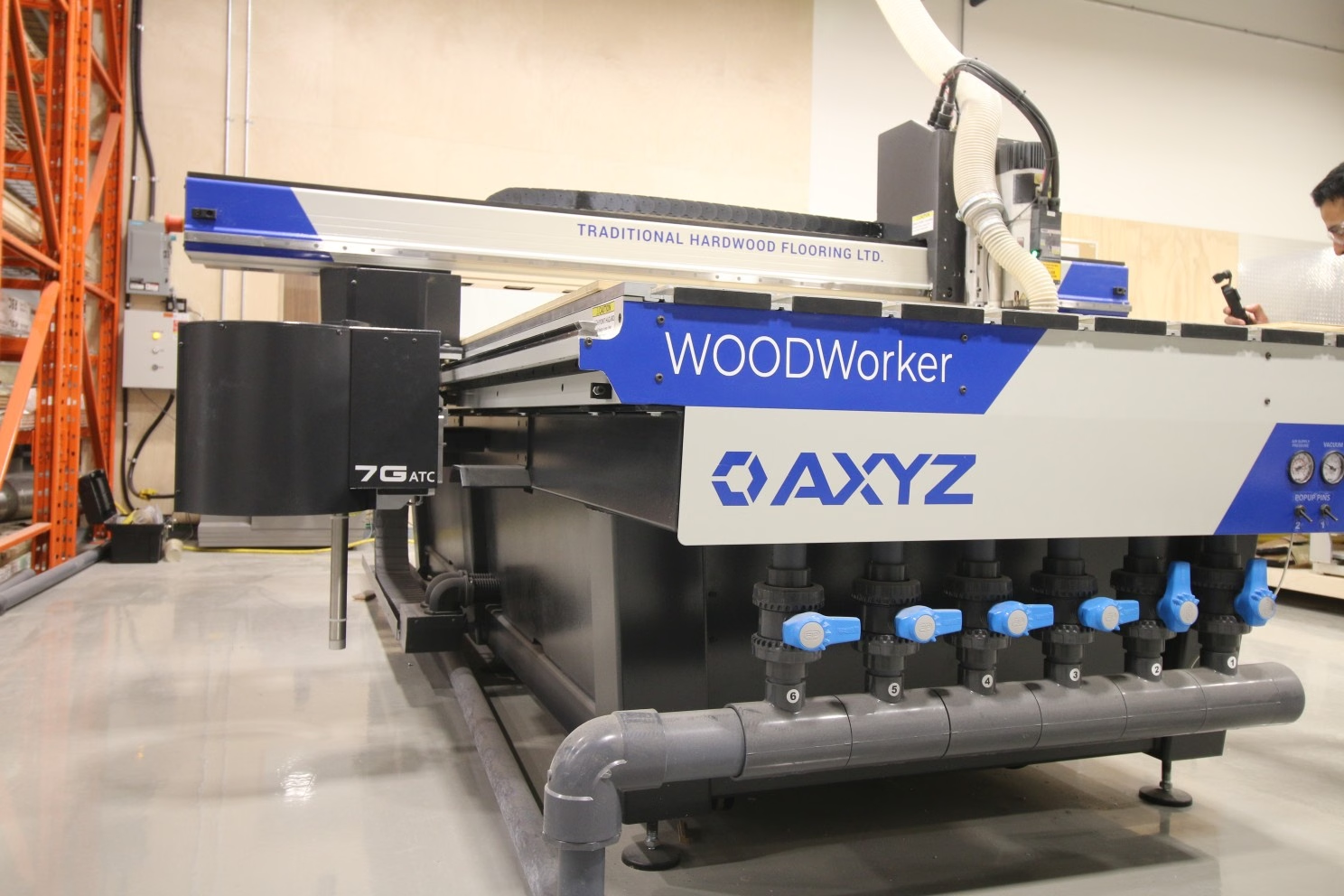
One of the most valuable changes has been the ability to handle specialized flooring details without relying on an outside shop for every custom part.
Balazs describes using the AXYZ router to produce several types of components:
- Curved floor nosings: Custom-shaped pieces for flooring transitions and curved architectural details.
- Custom rails: Components manufactured to suit specific project requirements.
- Floor electrical covers: Custom pieces designed around electrical access points.
- Complex flooring patterns: Components that need to fit challenging geometric layouts.
These applications illustrate why CNC routing can be useful in specialist woodworking.
A conventional straight cut may be relatively simple to produce. A part that follows a curve or must match an irregular shape requires a different approach.
With CNC machining, a suitable digital design can guide the cutting process. The operator can use the design to produce a component, assess its fit, and make adjustments where necessary.
This does not remove the need for woodworking knowledge. Material selection, measurement, tool choice, machining setup, finishing, and installation still influence the result.
Instead, CNC technology adds a controlled manufacturing method to the skills already present in the workshop.
Making Adjustments Without Waiting for Outside Production
Flooring installation does not always proceed exactly as planned.
Measurements may need refinement, architectural features may introduce unexpected constraints, or a custom component may require a small change before installation.
For Traditional Hardwood Flooring, having CNC capability in-house means the team can respond directly to these situations.
Balazs explains that when a piece needs to be remade or adjusted, the team can return to its workshop and produce the required component.
That flexibility is particularly useful for patterned installations where individual pieces must fit into difficult geometry.
Instead of sending the requirement to an external manufacturer, the company can manage the adjustment itself.
The practical advantage is greater control over the production process. The team can coordinate custom machining with the requirements of the installation and make decisions based on its own workmanship standards.
Although the interview does not provide measured time savings, Balazs identifies this flexibility as an important benefit of having the router in the workshop.
Combining Traditional Craftsmanship with CNC Technology
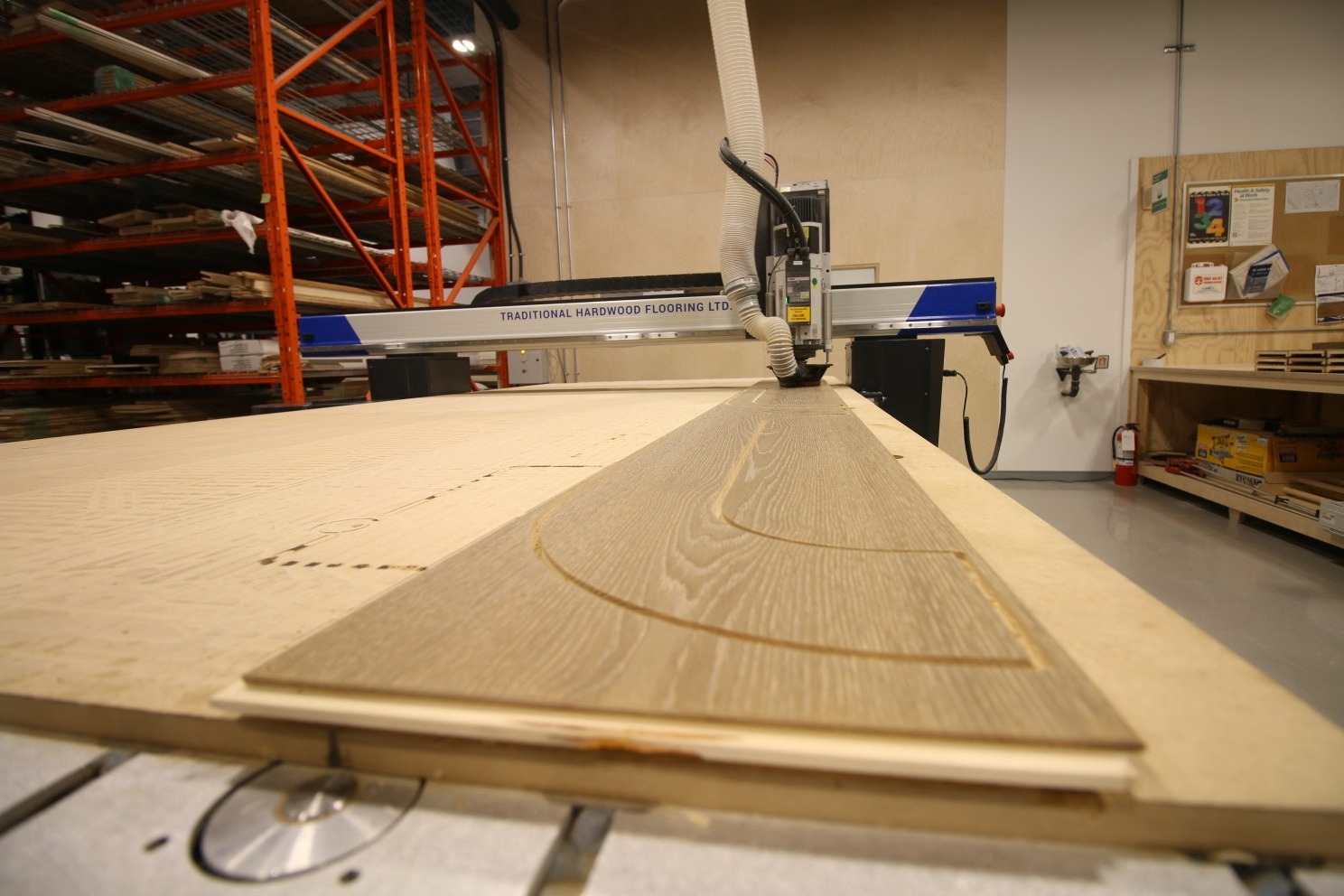
CNC routing and traditional hardwood flooring skills serve different but complementary purposes.
A CNC router can follow programmed cutting paths to produce custom shapes. Experienced flooring professionals still need to understand how those components will be used, how they should fit, and what finishing work is required.
For example, machining a curved flooring component is only one stage of the job. The installer must also consider the surrounding floor, the transition between materials, and the appearance of the finished installation.
This is where Traditional Hardwood Flooring’s background becomes important.
The company’s experience in finishing and installation informs the way it uses CNC technology. The machine provides additional manufacturing capability, while the team applies its knowledge to determine what each project requires.
Balazs sees the investment as an extension of the company’s established approach rather than a change in its priorities.
The focus remains on delivering carefully made flooring details that suit the individual project.
What Other Woodworking Businesses Can Learn
Traditional Hardwood Flooring’s experience highlights a practical consideration for woodworking businesses evaluating CNC equipment: how much control do they need over custom production?
For companies regularly handling unusual designs, outsourcing every specialized component can introduce an additional step between design and installation.
Bringing suitable machining tasks in-house may give a workshop more flexibility when preparing custom parts, modifying designs, or responding to project changes.
However, the value of CNC equipment depends on the applications being produced, the materials involved, and the business’s existing production methods.
Traditional Hardwood Flooring’s experience is particularly relevant to contractors and woodworking shops that combine hands-on craftsmanship with custom manufacturing.
Explore CNC Routing for Custom Woodworking
After more than two decades in hardwood flooring, Balazs continues to prioritize the details that customers notice in the finished project.
The AXYZ CNC router has given Traditional Hardwood Flooring another way to support that commitment, allowing the company to produce specialized components and make adjustments within its own workshop.
For woodworking businesses considering similar capabilities, AXYZ offers CNC routing solutions for a range of custom manufacturing applications.
Explore AXYZ CNC routers for woodworking and discover how CNC technology could fit into your production process.
Get in touch
Ready to transform your manufacturing capabilities? Contact our team to discuss your CNC routing needs.
USA Headquarters
AXYZ AUTOMATION GROUP (AAG)
180 South Ave. PO Box 517
Tallmadge, OH 44278
USA
Global Presence
With operations in over 180 countries, we’re never far from providing you with expert support and service.
North America
Europe
Asia Pacific
Middle East
 EMAIL US
 CALL US